In an exclusive two-hour interview with Vogue Australia, former tennis champion Ashleigh Barty shared details of the most challenging period of her life, revealing the intense personal battles she fought after the birth of her first son, Teddy.
For the first time, Barty opened up about her severe postpartum depression, a condition that left her emotionally and physically drained. This candid interview stunned the tennis world and her fans, offering an intimate look at the struggles behind her public persona.
Barty’s revelation about her postpartum depression has struck a chord with many. While the public knew her as a fierce competitor on the tennis court, few were aware of the invisible battles she was fighting behind closed doors.
Just six weeks after Teddy’s birth, Barty’s world was turned upside down when she was admitted to a psychiatric hospital. “I didn’t know how to ask for help, and I didn’t even know I needed help,” she confessed.
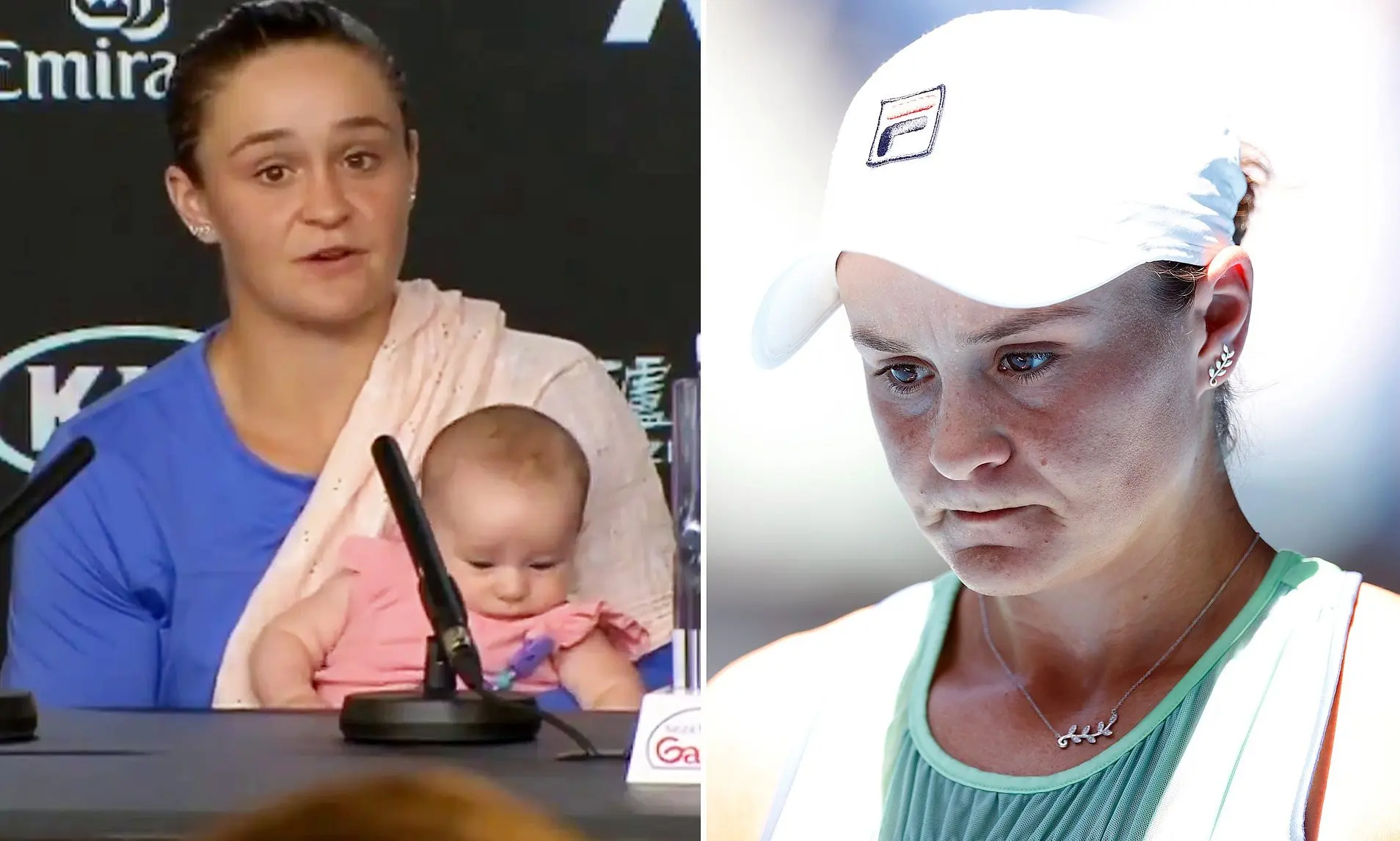
Her honesty about feeling overwhelmed resonates with many new mothers who feel isolated and unheard during their own struggles.
What shocked fans even more was the revelation that Barty and her husband, Garry Kissick, nearly separated due to the strain caused by her mental health battle. Despite their strong bond, the emotional toll of postpartum depression tested their relationship in ways neither could have anticipated.
“There were times when I didn’t recognize myself, let alone the person I loved,” Barty shared. The couple faced a critical turning point, where the pressures of family life and Barty’s emotional turmoil made their relationship fragile.
Through it all, Garry Kissick remained by Barty’s side, offering the love and support she desperately needed. In the interview, Barty spoke fondly of Garry’s unwavering presence during her darkest moments.
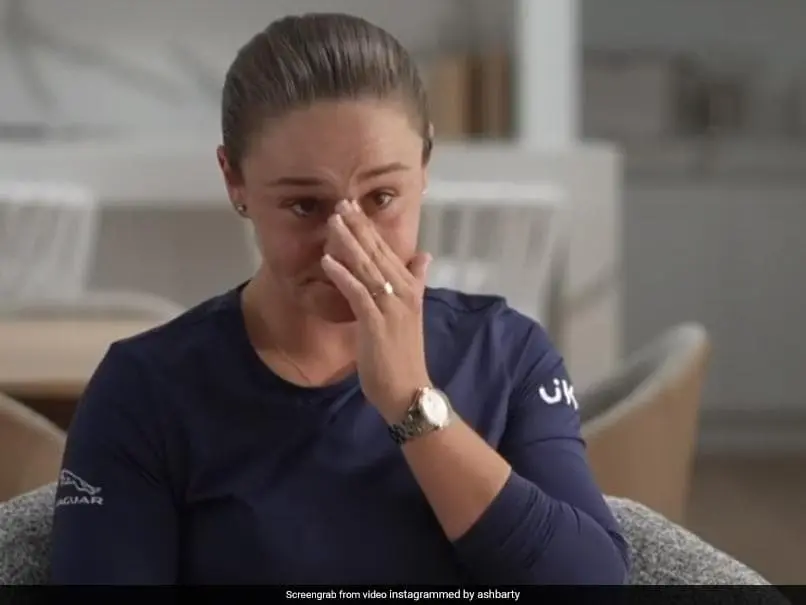
“He was my rock,” she said, highlighting how Garry’s patience and understanding were essential in helping her through the hardest times. Despite the challenges, their relationship grew stronger, and their bond as a couple deepened as they faced this trial together.
Barty’s battle with postpartum depression was not just a personal struggle but a public one as well. The athlete, who had always prided herself on being strong and independent, felt the weight of her condition in every aspect of her life.
The depression made it difficult to connect with her baby, a situation that many mothers may find all too familiar. “I couldn’t bond with Teddy the way I wanted to,” she said. This added guilt to her already fragile state of mind, making the healing process even more complex.
One of the most profound moments in Barty’s journey came when she finally sought professional help. Admitting that she couldn’t handle everything on her own was a pivotal moment for Barty, one that would change the course of her recovery.
“It was the hardest decision, but it was the best one,” she admitted. Barty’s courage to seek help broke down the stigma surrounding mental health, showing that even the strongest people can’t go through life’s hardest moments alone.

Throughout her recovery, Barty found solace in her relationship with her son, Teddy. While she initially struggled to connect with him, the process of healing allowed her to rediscover the joys of motherhood. “Teddy became my light at the end of the tunnel,” Barty said.
His presence was a constant reminder of the love and happiness that still existed in her life, helping her reclaim the strength to move forward. The bond they now share is stronger than ever, and it became a source of motivation during her journey toward recovery.
Recovery from postpartum depression is a long and often difficult process, but Barty’s openness about her experience has helped her heal. The athlete now works closely with mental health professionals, prioritizing her well-being and maintaining a healthy work-life balance.
She’s learned to embrace the importance of self-care and reaching out for support when necessary. Barty now advocates for mental health awareness, using her platform to help others who may be facing similar struggles.
As Barty continues her journey, she has shifted her focus from the tennis court to her family and mental health advocacy. Her experience has inspired her to speak out about the importance of mental health, particularly for new mothers.
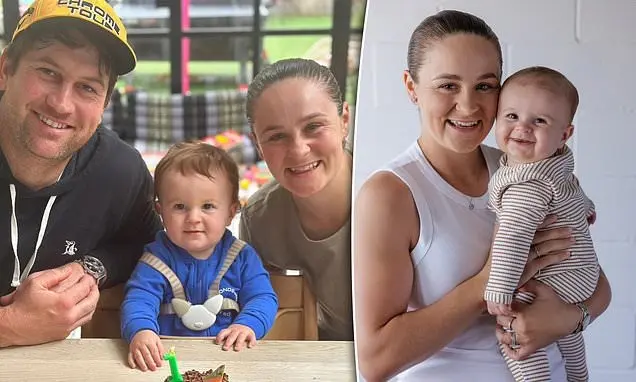
“We need to talk about these issues more openly,” she said, stressing the need for greater awareness and support for those facing postpartum depression. Barty’s advocacy has the potential to change the conversation around mental health, encouraging others to seek help without fear of judgment.
In her exclusive interview with Vogue Australia, Barty’s vulnerability has given hope to countless individuals who are struggling with their own mental health battles. Her story is a testament to the strength of the human spirit and the power of asking for help.
“I almost lost Teddy,” she said, reflecting on the darkest period of her life. But through the support of her family and her own resilience, Barty emerged stronger than ever, proving that even the toughest of battles can lead to brighter days.
Ashleigh Barty’s journey through postpartum depression and its impact on her marriage offers a powerful reminder that even the strongest people face challenges that can seem insurmountable. Her willingness to speak out about her struggles has inspired others to do the same.
Through therapy, the support of her family, and her own determination, Barty is slowly but surely reclaiming her life. Her message to others: You are not alone, and it’s okay to seek help.
