Prince Harry’s latest interview has reignited one of the most emotionally charged conversations surrounding the modern Royal Family. Speaking candidly, he expressed a desire for reconciliation, admitting there is “no point in continuing to fight anymore” and acknowledging the painful reality that time with his father may be limited. For many viewers, the words sounded sincere, even vulnerable. Yet almost immediately, a quieter question began circulating beneath the surface sympathy: why now?
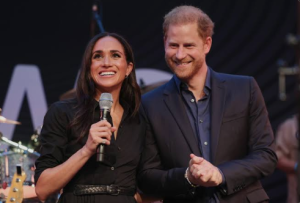
Meghan Markle and Prince Harry Announce New Netflix Project: The Wedding Date
Harry framed his plea against the backdrop of distance and loss. Life in the United States, he suggested, has left him feeling unmoored—far from family, tradition, and the sense of belonging he once knew. He spoke of wanting his children to know their roots and of a longing to reconnect before it is too late. A reader responding online wrote, “It’s hard not to feel for a son who fears running out of time.” That sentiment resonated widely, especially given King Charles’s ongoing health struggles.
Prince Harry and Meghan Markle Officially Announce Their Engagement | Allure
Still, the timing has raised eyebrows. The interview arrived amid professional uncertainty, legal setbacks, and renewed scrutiny of the Sussexes’ public standing. Critics argue that reconciliation talk tends to surface when options narrow. One royal commentator remarked that “emotion doesn’t exist in a vacuum—context matters,” suggesting the appeal may be shaped as much by circumstance as by sentiment. The overlap between personal confession and strategic moment has made the message harder to read at face value.
Prince Harry, Meghan Markle make unexpected career move
Much of the skepticism centers on Harry’s life in America. Once framed as a fresh start, the move has gradually been recast by some observers as isolating. Projects have drawn mixed reactions, public goodwill appears thinner, and the sense of momentum that once surrounded the Sussex brand feels less certain. A media analyst noted that “reinvention works best when it’s additive, not when it replaces everything that came before.” For Harry, cutting ties so dramatically may now feel less liberating than confining.
In pictures: Harry and Meghan’s royal romance | CNN

As the story unfolds, attention inevitably turns to Meghan’s role. Supporters insist it is unfair to assign her responsibility for Harry’s choices, arguing that he is an adult acting on his own convictions. Others, however, believe the dynamics of the couple’s public strategy cannot be ignored. A long-time royal watcher commented that “Harry speaks of family, but every step toward them seems filtered through a larger narrative.” That perception has fueled speculation that reconciliation, if pursued, might also serve broader goals.
The idea that this moment represents a retreat rather than a return has gained traction in some quarters. Observers point to a pattern: emotional disclosures following professional or legal setbacks, followed by renewed appeals to family and heritage. “It doesn’t mean the feelings aren’t real,” one reader wrote, “but it does mean they’re arriving at a very convenient time.” Such comments capture the uneasy balance between empathy and doubt shaping public reaction.
Harry himself acknowledged barriers that remain firmly in place. Trust has been damaged, communication is strained, and some wounds may never fully heal. He admitted that certain family members may not forgive what has been said and written in recent years. That honesty earned respect from some viewers, who appreciated the absence of easy solutions. Yet it also underscored how far reconciliation would have to go beyond words.
The Palace’s response—or lack of one—has only deepened the intrigue. Silence from royal circles is often interpreted as deliberate, and in this case it has allowed speculation to flourish. A former palace correspondent observed that “the Royal Family rarely responds to interviews, especially when emotions are running high.” Whether that silence reflects caution, fatigue, or quiet resistance remains open to interpretation.
Public opinion remains deeply divided. To supporters, Harry’s plea is that of a son confronting mortality and regret, deserving compassion rather than cynicism. To critics, it is a familiar pivot, signaling that the American chapter may not have delivered what was promised. One widely shared comment summed up the tension: “You can want your family back and still be running from something else.”
Ultimately, the interview has reopened questions that have lingered for years. Is this a genuine turning point born of maturity and fear of loss, or a strategic recalibration prompted by narrowing paths forward? The answer may lie not in what Harry says next, but in what he does—and whether actions follow words without conditions attached.
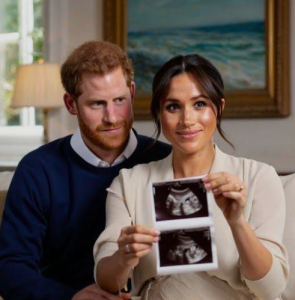
For now, the plea hangs in the air, heavy with emotion and uncertainty. It invites sympathy while provoking suspicion, hope while reviving doubt. As one reader quietly noted beneath the headlines, “Reconciliation isn’t announced—it’s proven.” Whether this moment becomes the first step toward healing or merely another chapter in a complicated narrative remains to be seen.
