There are moments when a single sentence feels heavier than a crown.

When the words “I’m resigning” began circulating in connection with Queen Camilla, the reaction was immediate and visceral — not only across the United Kingdom, but deeply and emotionally across the United States. For many Americans who have followed the modern monarchy for decades, the phrase landed less like gossip and more like a quiet shock.
Because resignation, in royal terms, is never simple.
And health, in royal life, is never just personal.
The Weight of Unspoken Years
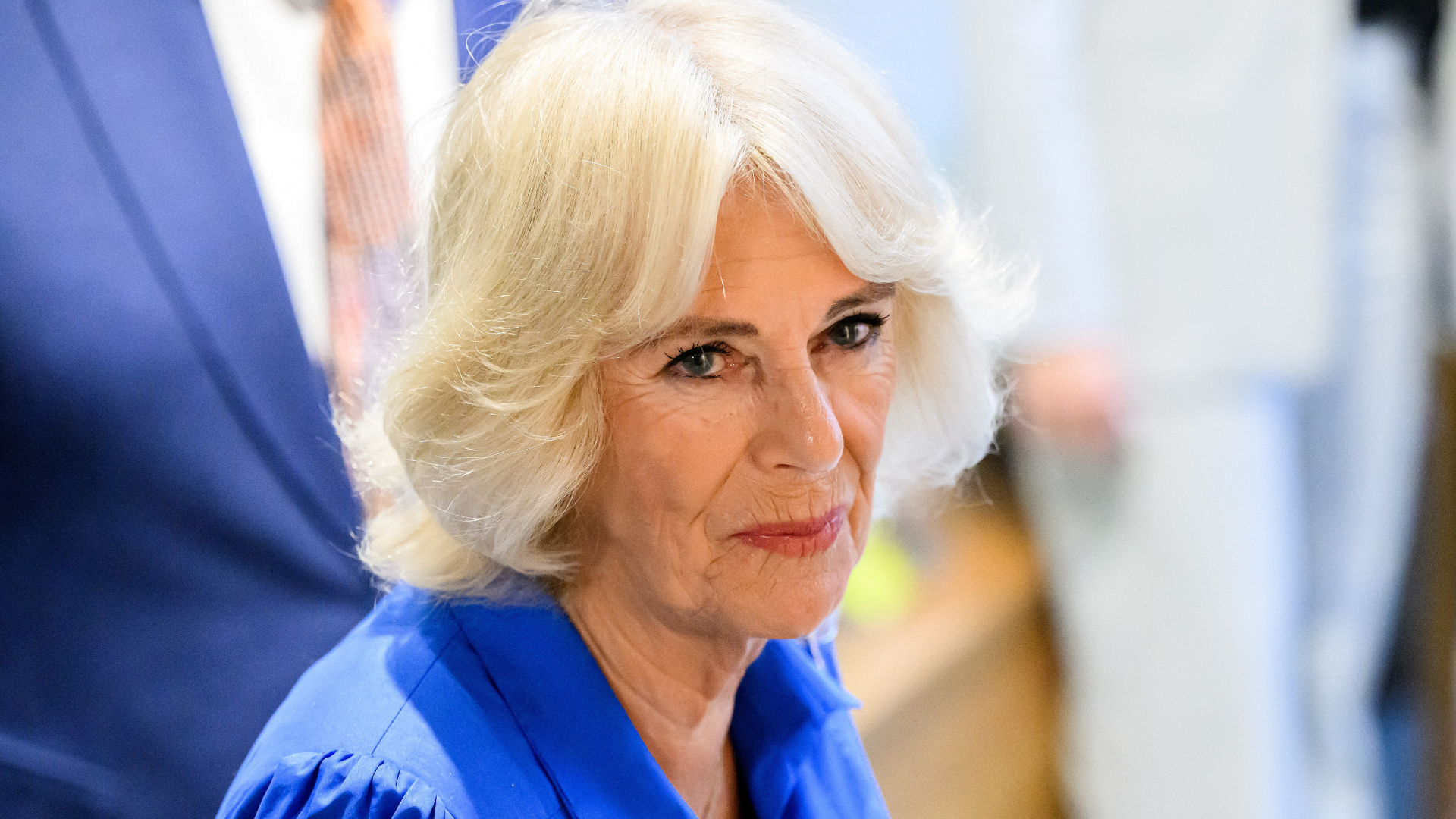
Queen Camilla’s public journey has never followed a straight or gentle path. For American audiences who remember the turbulence of the 1990s, her name still carries layers of unresolved history — pain, controversy, endurance, and ultimately, survival.
To hear her associated with words like “stepping back” or “resigning” instantly reopened emotional files many believed had long been closed.
Not because people were eager for drama — but because they recognized the gravity of what such language implies inside a monarchy built on continuity.
Health, Privacy, and the Cost of Duty
:max_bytes(150000):strip_icc():focal(999x0:1001x2)/princess-camilla-a-928e7ded5269425e8fea4d2ebcd348c9.jpg)
Royal health disclosures are rare by design. They are often softened, delayed, or framed through carefully chosen euphemisms. That is why whispers of “serious health struggles” struck such a chord.
For Americans aged 45 to 65, this resonates deeply. It mirrors personal experiences — parents aging, responsibilities shifting, private battles hidden behind professional composure.
The idea that a woman who spent decades under scrutiny might finally be confronting limits feels profoundly human.
And profoundly unsettling.
Why the Word “Resigning” Feels Explosive
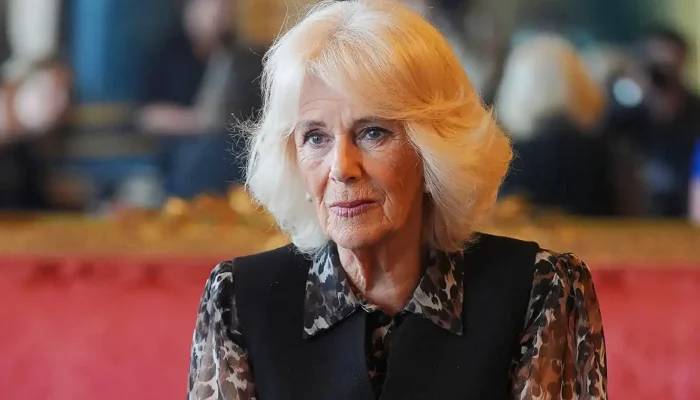
In constitutional terms, a queen consort does not “resign” the way a prime minister does. Which is precisely why the word has caused such unease.
Was it literal?
Was it emotional?
Was it symbolic?
Palace language is never accidental. Even rumors of such phrasing suggest something internal is being renegotiated — roles, visibility, expectations.
For American observers, this ambiguity is what makes the moment so compelling. It feels less like an announcement and more like a fracture — a crack through which reality briefly shows.
The Silence That Followed
Perhaps more telling than the words themselves was what came after.
No dramatic clarification.
No sweeping denial.
No immediate reframe.
Just silence.
And silence, in royal life, often speaks louder than confirmation.
It invites interpretation, reflection, and — for those emotionally invested — concern.
A Life Lived Under Judgment

To understand why this moment feels heavy, one must acknowledge Camilla’s endurance. Few public figures have lived so long under such sustained judgment, particularly in the American media landscape where narratives are rarely forgiving.
For some U.S. readers, this rumored turning point feels like closure — not celebratory, but contemplative. The image of a woman who carried an impossible role and may now be setting it down.
Not in defeat.
But in acceptance.
The Emotional Undercurrent Americans Recognize
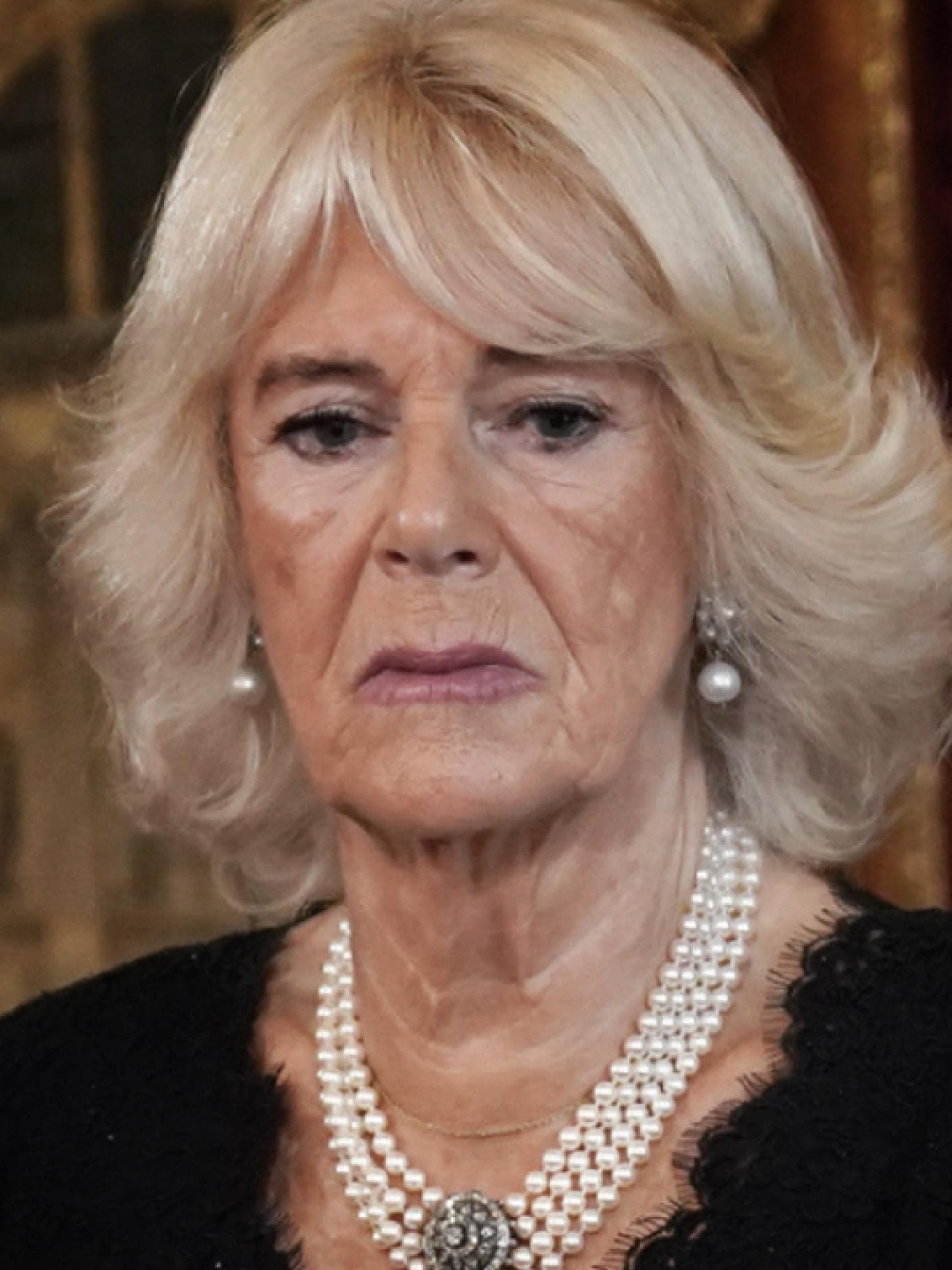
This is where the story transcends monarchy.
It becomes about aging with dignity.
About acknowledging limits without apology.
About the courage to step back when the body asks for mercy.
American audiences, shaped by values of personal responsibility and resilience, recognize the quiet bravery in that.
Even if the details remain unclear, the emotional truth resonates.
What If This Is Not an Ending — But a Rebalancing?
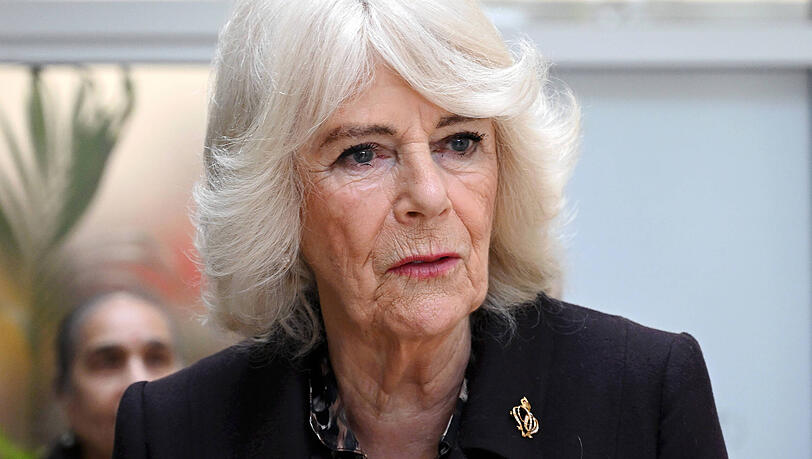
Some royal watchers believe this moment is less about resignation and more about recalibration. A soft retreat from relentless visibility. A shift toward preservation rather than performance.
If so, it reflects a broader truth many Americans understand: stepping back is not failure. It is wisdom.
Why This Moment Feels So Close to Home

In living rooms across the U.S., this story lands differently than tabloid drama. It touches something intimate — the fear of becoming fragile, the grace required to acknowledge it, the relief that can come from honesty.
That is why reactions have been emotional rather than sensational.
People are not asking what she loses.
They are asking what she has carried.
The Future, Still Unwritten
,type=downsize)
Whether Queen Camilla’s words were literal, symbolic, or misunderstood, one thing is clear: they have opened a space for reflection the monarchy rarely allows.
And perhaps that is the true significance.
A reminder that even behind crowns, there are limits.
Even inside palaces, there are private battles.
And even the strongest public figures eventually face the same human reckoning.
For American readers, this moment is not about scandal.
It is about empathy.
And about recognizing that sometimes, the bravest announcement is not a declaration of power — but an acknowledgment of humanity.
