The evening of November 28 began like any other for Nicola Pietrangeli. Alone in his Roman apartment overlooking the Tiber, he poured a small glass of red wine, settled into the worn leather armchair that had traveled with him since the 1960s, and turned on the television.
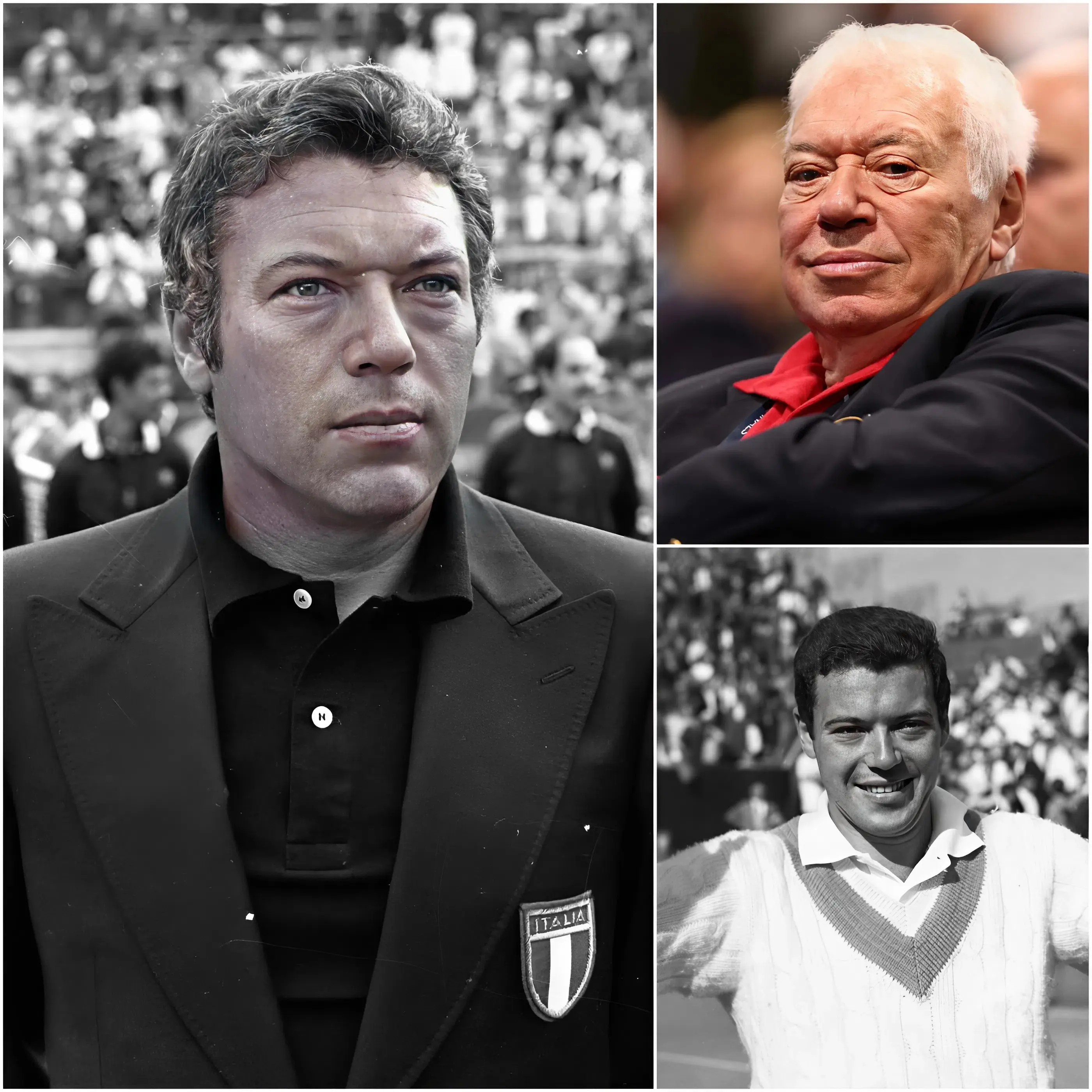
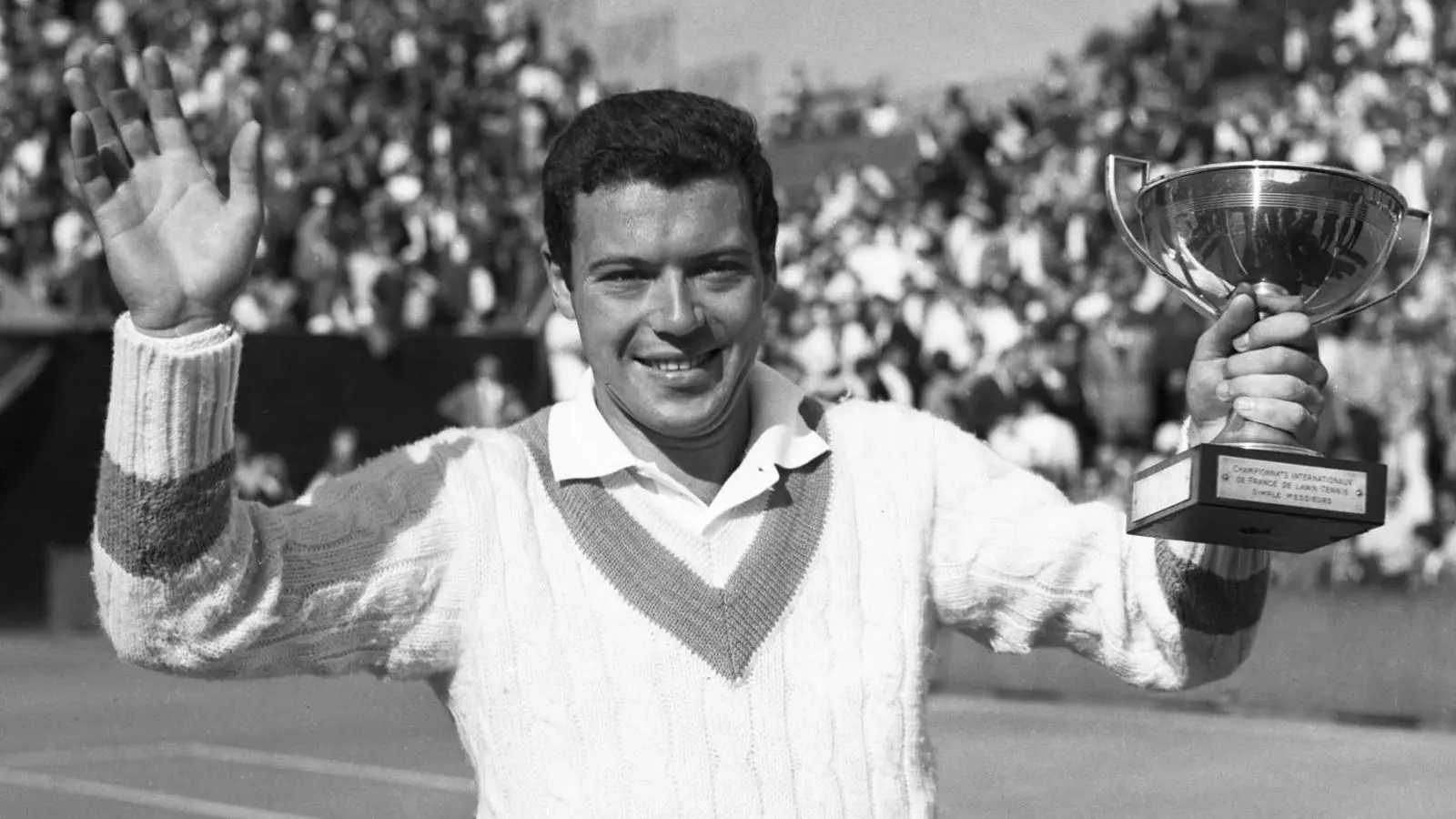
The screen lit up with grainy footage of his 1960 French Open final against Luis Ayala. He smiled at his younger self sliding across the clay, still elegant, still hungry. Ten minutes later the remote slipped from his hand. His head tilted forward.
The wine glass tipped and stained the carpet the same deep red as the courts he once ruled.
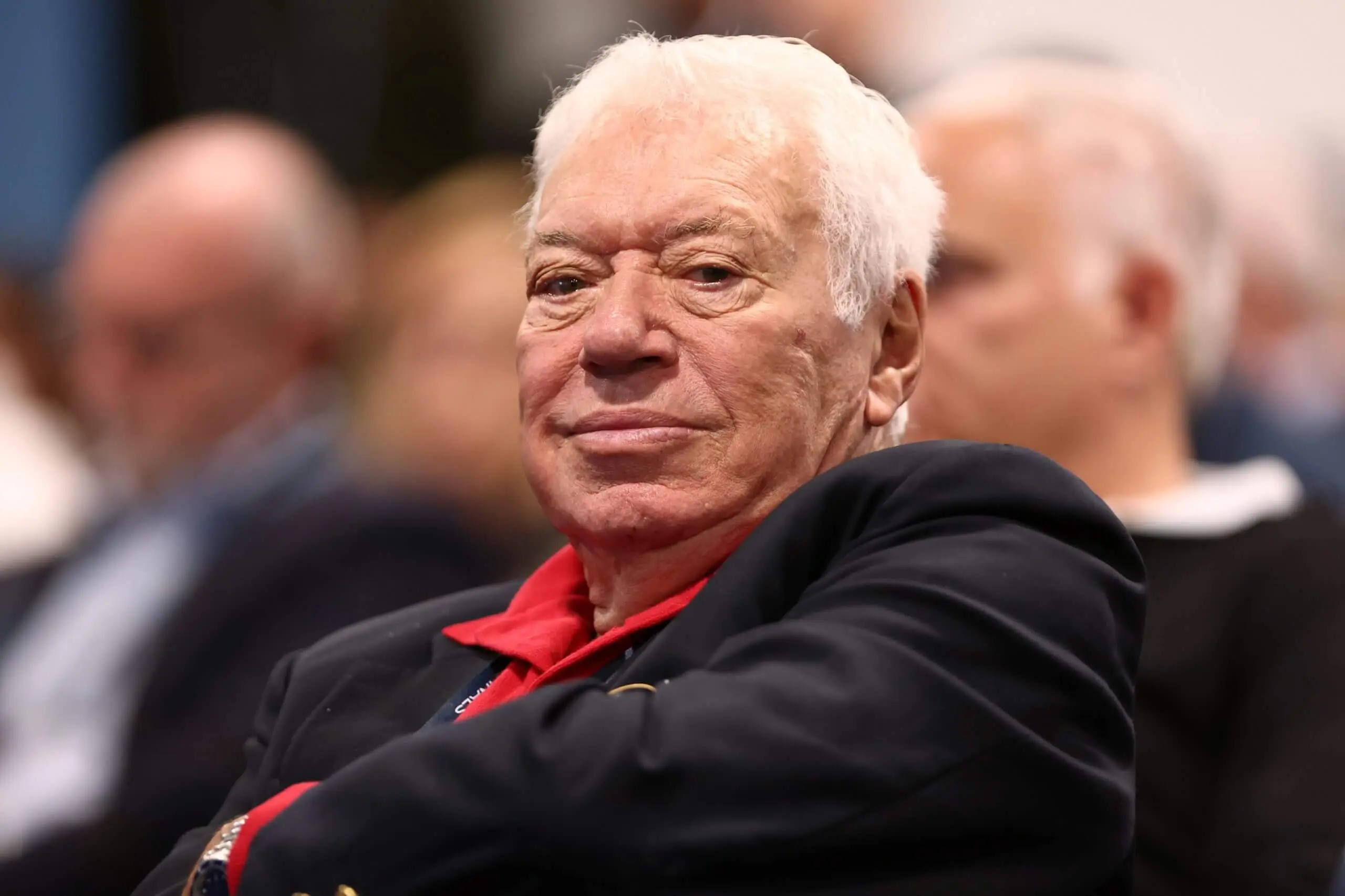
Neighbors heard nothing until the next morning when his housekeeper arrived and found the legend motionless. Paramedics performed CPR in the hallway while portraits of Davis Cup triumphs stared down from the walls. They managed to restart his heart, but the damage was catastrophic.
A massive hemorrhagic stroke had torn through the left side of his brain. Doctors at Gemelli Hospital gave the family the cruelest possible news: even if he survived, Nicola would never speak, walk, or recognize anyone again.
For three days the clinic became a place of pilgrimage. Adriano Panatta, now 75 himself, sat by the bed holding the same hand that once gripped wooden rackets. Young stars flew in from tournaments around the world.
Jannik Sinner arrived straight from Turin wearing the same expression he has when facing championship point. Matteo Berrettini wept openly in the corridor.
Even non-tennis figures came: politicians who grew up idolizing him, actors who quoted his famous one-liners, ordinary Romans who simply wanted to say goodbye to the man who made their country believe it belonged among the giants.
The family faced an impossible choice. Machines breathed for him. Tubes fed him. Monitors counted heartbeats that no longer carried consciousness.
His daughter Laura, voice breaking, recalled how her father always said he never wanted to be “a vegetable on display.” On the fourth morning, surrounded by grandchildren reciting the scores of his greatest victories, they told the doctors to stop.
The room fell quiet except for the slowing beep of the heart monitor. At 6:17 p.m. the line went flat. Nicola Pietrangeli, who spent a lifetime refusing to lose points, finally surrendered the match no champion can win.
News spread faster than any serve he ever struck. Within minutes every major court in Italy lowered its net in respect. Roland Garros turned off its floodlights for the first time since the war. Wimbledon’s Centre Court scoreboard displayed only his name and the years 1933–2025.
In Tunisia, where he was born, flags flew at half-mast outside the club where a barefoot boy first picked up a racket ninety years earlier.
His funeral will take place at the Foro Italico, beneath the marble statues he used to mock for being “too serious.” The coffin will be carried by eight Davis Cup heroes: Panatta, Berrettini, Sinner, Fognini, and four others who grew up on stories of the man they now carry.
The Italian Open will dedicate its new center court to him next May, renaming it Pietrangeli Stadium forever. Children who never saw him play will learn to slide on red clay because a sign tells them that is where the king once walked.
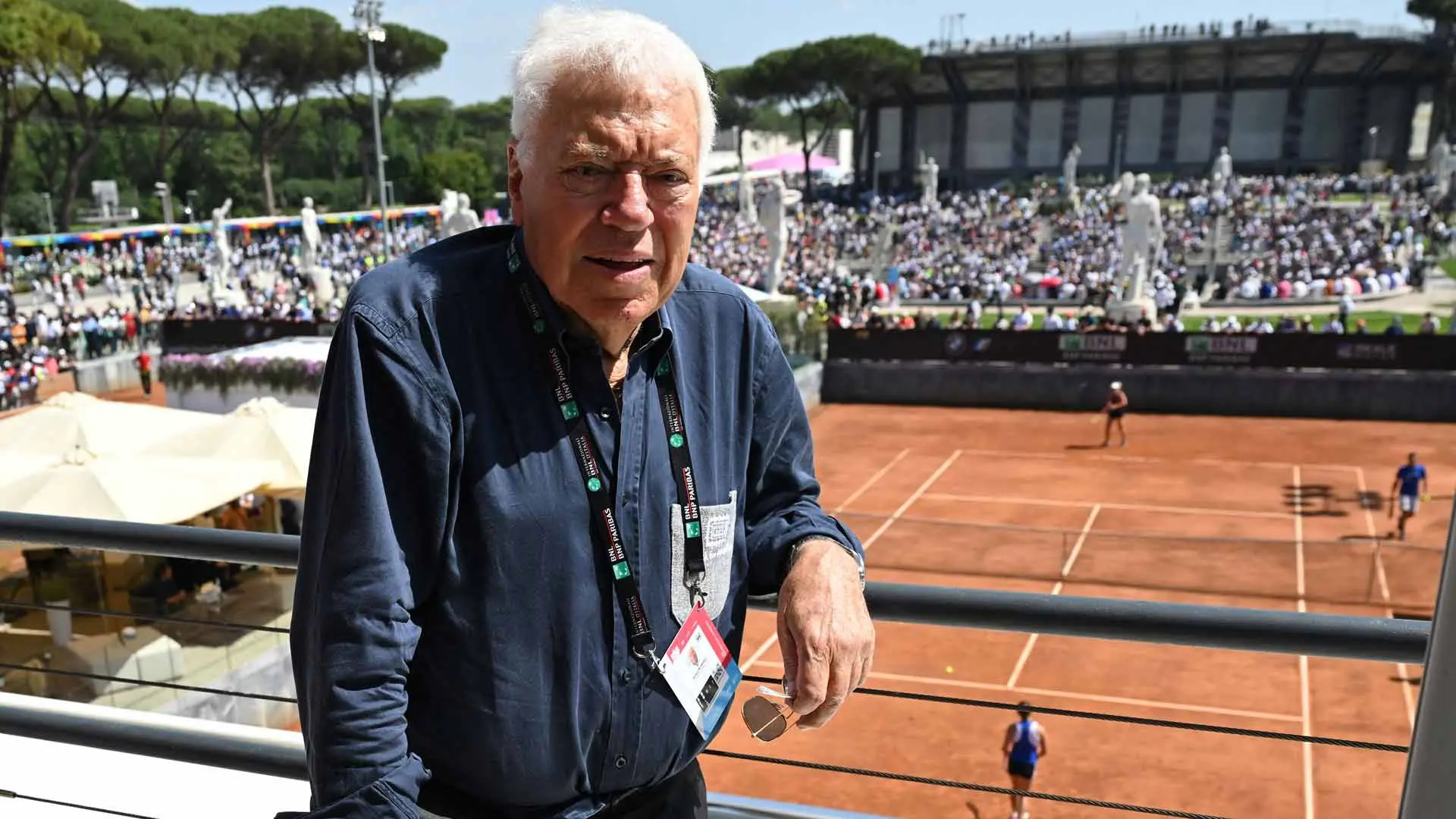
Tonight in Rome, old men gather in bars and speak of him in the present tense. They remember the white headband, the sleeveless shirts that scandalized the 1950s, the way he blew kisses to the crowd after every impossible winner.
They remember a time when Italy was not expected to win anything, yet one elegant Roman with fire in his eyes decided the world had been wrong.
Somewhere above the eternal city, a familiar voice is probably already complaining about the slow courts in heaven and demanding a tie-break in the third set of eternity. Nicola Pietrangeli has left the building, but his footprints will stay pressed into clay courts forever. The king is dead.
Long live the king.
His funeral will take place at the Foro Italico, beneath the marble statues he used to mock for being “too serious.” The coffin will be carried by eight Davis Cup heroes: Panatta, Berrettini, Sinner, Fognini, and four others who grew up on stories of the man they now carry.
The Italian Open will dedicate its new center court to him next May, renaming it Pietrangeli Stadium forever. Children who never saw him play will learn to slide on red clay because a sign tells them that is where the king once walked.
Tonight in Rome, old men gather in bars and speak of him in the present tense. They remember the white headband, the sleeveless shirts that scandalized the 1950s, the way he blew kisses to the crowd after every impossible winner.
They remember a time when Italy was not expected to win anything, yet one elegant Roman with fire in his eyes decided the world had been wrong.
Long live the king.
