
Team sources revealed that frustration boiled over in the McLaren garage immediately after the decision. Emotions ran high as engineers, strategists, and drivers struggled to process the penalty, feeling that months of preparation and strategic planning had been undermined by a single, controversial call from race officials.
Lando Norris, who had been running in a strong position throughout the race, expressed his disappointment in interviews after the event. He acknowledged the difficulty of maintaining focus under such circumstances but insisted that the team would regroup, emphasizing their determination to bounce back in the upcoming races.
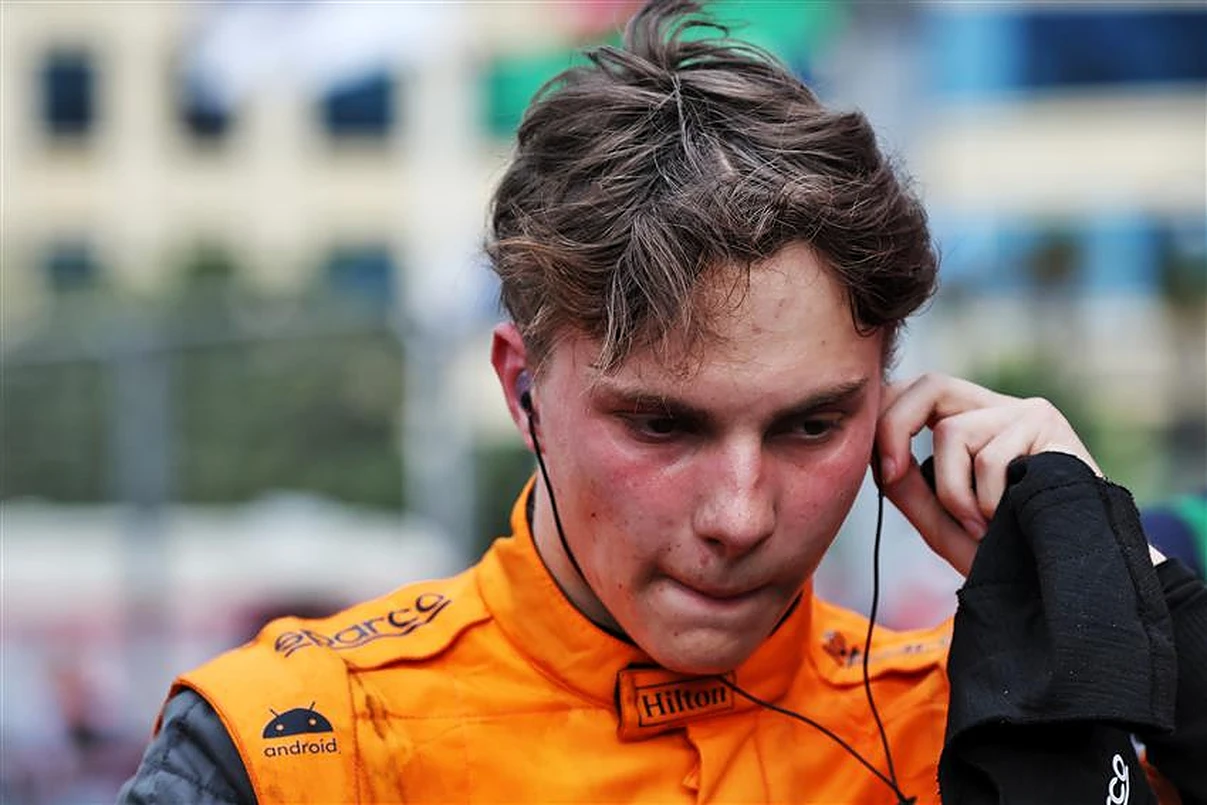
Oscar Piastri, a rookie showing impressive composure in his debut season, also faced setbacks due to the ruling. Despite handling pressure well on the track, the unexpected penalty erased his chances of a breakthrough result, leaving the young driver visibly frustrated yet motivated to prove himself in the next Grand Prix.
According to insiders, tensions between McLaren personnel and FIA officials reached a peak, with some team members reportedly shouting in disbelief during live monitoring of the decision. One anonymous source described the moment as the “angriest the team has ever been,” highlighting the raw emotion felt throughout the pit lane.
Social media erupted following the controversial call, with fans, pundits, and journalists weighing in. Many criticized the FIA, arguing that the decision was inconsistent with previous rulings, while others sympathized with McLaren, acknowledging the difficult position both Norris and Piastri faced on the day.
The McLaren management released a brief statement expressing disappointment and requesting clarification from the FIA. They emphasized their respect for race officials but highlighted the impact of the decision on their drivers’ performance, stressing the importance of fair and consistent regulation in the sport.
Race analysts pointed out that Las Vegas had already proven challenging due to unique track conditions and high-speed corners. Despite the penalty, McLaren’s strategic approach remained commendable, showcasing the skill of their engineers and drivers in adapting to one of the most unpredictable circuits of the Formula 1 calendar.
Fans noted that the controversy might have long-term implications for McLaren’s championship aspirations. Losing potential points for both Norris and Piastri could affect team standings, sponsorship perception, and driver morale, making the outcome of the FIA decision a topic of debate well beyond the weekend’s race.
Inside the garage, team members reportedly regrouped quickly, channeling frustration into motivation for the next Grand Prix. Engineers and strategists analyzed what went wrong and how to prevent similar issues, aiming to ensure both Norris and Piastri remain competitive despite external setbacks imposed by race officials.
The emotional response of the McLaren crew highlighted the intensity of Formula 1, where split-second decisions and regulatory interpretations can define careers. Analysts pointed out that the raw anger displayed, including the infamous phrase “Shut the fuck up, you old man,” reflected genuine passion and investment in the team’s success.
Commentators discussed the ruling extensively during post-race coverage, debating whether it aligned with precedent or represented a new interpretation of FIA rules. Opinions were divided, with some calling for procedural reforms to prevent future disputes, while others argued that controversy is an inevitable part of motorsport.
Both Norris and Piastri publicly vowed to focus on performance despite the controversy. Norris highlighted that resilience and consistency are key, while Piastri emphasized learning from every experience. Their composure under pressure reassured fans that McLaren would continue to challenge for top positions despite external challenges.
Media outlets also speculated on the internal dynamics within McLaren. Sources suggested that the team leadership used the incident as a teaching moment, stressing discipline, professionalism, and focus, while acknowledging the emotional toll that such unexpected rulings can have on drivers and staff alike.
The FIA decision became a trending topic across social platforms, with hashtags and memes circulating worldwide. Supporters rallied behind McLaren, praising the team’s transparency, passion, and dedication, while critics argued that such reactions illustrate the need for improved communication between teams and governing bodies.
In hindsight, the Las Vegas Grand Prix will be remembered not only for its racing spectacle but also for the drama surrounding regulatory intervention. McLaren’s experience serves as a case study in how emotions, strategy, and governance collide in modern Formula 1, offering lessons for teams, fans, and officials alike.
Looking forward, McLaren aims to channel the anger and frustration into renewed energy. Engineers are revisiting strategies, drivers are training with intensified focus, and the entire team is preparing to respond decisively in upcoming circuits, determined to convert disappointment into future success despite any regulatory hurdles.
The incident also sparked conversations among fans about sportsmanship, emotional expression, and the human element in professional racing. Many argued that McLaren’s candid response reflects authenticity, passion, and a commitment to their drivers, highlighting that Formula 1 is as much about people as it is about cars.
Ultimately, the Las Vegas Grand Prix controversy reminded everyone that Formula 1 is unpredictable, thrilling, and occasionally contentious. McLaren’s public and emotional reaction captured the essence of competitive spirit, showing that even in the face of adversity, determination, skill, and teamwork remain at the heart of the sport.
