The British monarchy has long balanced tradition with the evolving role of its senior members. In a historic development, Kate Middleton, the Princess of Wales, has been granted the authority to issue Royal Warrants of Appointment, a distinction that places her alongside the most influential figures in the royal household.
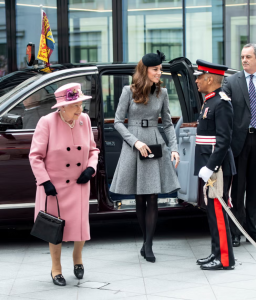
A Royal Honor with Historical Significance
Royal Warrants are official marks of recognition given to companies or individuals who supply goods or services to the royal family. While they are largely ceremonial, they carry immense prestige in the business and public spheres. Kate Middleton’s new status as a warrant-granting royal marks her as the first Princess of Wales in over 115 years to hold this honor — a position previously reserved for only the most senior members of the royal family.
King Charles III formally announced the expansion of Kate and Prince William’s responsibilities, signaling trust in their judgment and recognizing their dedication to public service. A palace spokesperson emphasized, “This authority reflects the Crown’s confidence in their role as modern stewards of the monarchy.”
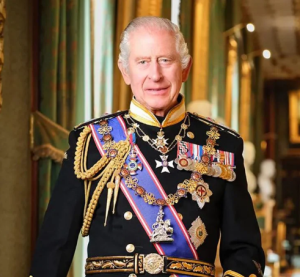
Kate’s Expanding Public Role
King Charles’ gentle look of admiration for daughter-in-law Kate Middleton at state banquet – see photo | HELLO!
In recent years, Kate has become increasingly prominent in public life, championing causes such as early childhood development, mental health awareness, and education. Her initiatives, particularly the Early Years campaign, have earned praise for their innovative and hands-on approach. This new responsibility with Royal Warrants complements her existing charitable work, reinforcing her influence and visibility within the monarchy and the wider public.
Public appearances following the announcement have shown Kate seamlessly balancing ceremonial duties with personal engagement. From attending Commonwealth Day services to visiting veterans at VE Day commemorations, her presence continues to resonate with the public, combining elegance with approachability.
Strengthening the Monarchy’s Future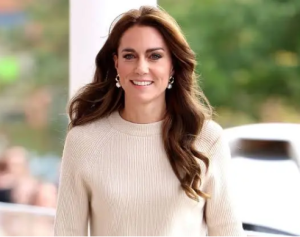 Kate Middleton vs. Princess Catherine? Reflecting on a Royal Name
The decision to grant Royal Warrants to Kate and William aligns with King Charles III’s broader vision of a streamlined and modern monarchy, where senior royals take on meaningful roles that connect the Crown with society. By expanding their responsibilities, the monarchy not only honors tradition but also adapts to contemporary expectations of service, visibility, and engagement.
Experts in royal affairs, including biographer Sally Bedell Smith, note that this development positions Kate as a central figure in the next chapter of the monarchy: “Her growing portfolio of responsibilities shows a deliberate strategy to blend tradition with forward-looking public service. Kate is increasingly recognized as a key partner to the Prince of Wales in shaping the monarchy’s relevance for future generations.”
Looking Ahead
As Kate Middleton assumes this historic role, her influence continues to grow. From charitable initiatives to ceremonial duties, she embodies a blend of tradition, dedication, and modern sensibility. While her work with Royal Warrants is largely symbolic, it underscores the trust placed in her judgment and leadership, reflecting both the enduring legacy of the monarchy and its ongoing evolution.
